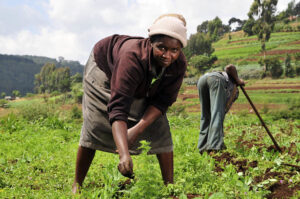
Empowering smallholder women in agriculture and various other sectors is crucial for their economic independence, community development, and gender equality. Here are some key ways to empower smallholder women:
- Access to Resources:
- Ensure access to land, credit, seeds, and technology. Many smallholder women farmers lack access to these essential resources, limiting their productivity.
- Education and Training:
- Provide education and training in modern agricultural practices, financial literacy, and business skills. This helps them improve yields and manage their farms more efficiently.
- Collective Action:
- Encourage women to form or join cooperatives or self-help groups. These groups can collectively access resources, share knowledge, and negotiate better deals for their produce.
- Market Access:
- Facilitate market access for smallholder women by connecting them with local markets or helping them access larger markets. This can be done through market linkages and value chain development.
- Technology Adoption:
- Promote the use of technology such as mobile apps for weather forecasting, crop management, and access to market prices.
- Health and Nutrition:
- Address the healthcare and nutritional needs of women and their families. This includes access to healthcare services, nutrition education, and clean water.
- Legal Rights:
- Raise awareness about women’s legal rights to land and property. Advocate for legal reforms and provide legal aid to help women secure land tenure.
- Supportive Policies:
- Advocate for policies that specifically address the challenges faced by smallholder women, including gender-sensitive land reform, credit policies, and agricultural extension services.
- Microfinance and Savings:
- Facilitate access to microfinance and savings programs, which can help women invest in their businesses and build financial stability.
- Networking and Advocacy:
- Encourage women to engage in networks and advocacy efforts. Their collective voices can influence policy changes and draw attention to their needs.
- Mentorship and Leadership Development:
- Provide mentorship and leadership development programs to help women build the skills and confidence to take on leadership roles in their communities and organizations.
- Measuring Impact:
- Regularly measure and assess the impact of empowerment programs to ensure that they are effective in improving the lives of smallholder women.
Empowering smallholder women is not just about improving their economic status; it also contributes to food security, poverty reduction, and social development. It’s essential to recognize that empowering women benefits not only individuals but also entire communities and societies.